
Robotics in 2026: How Far Have We Come?
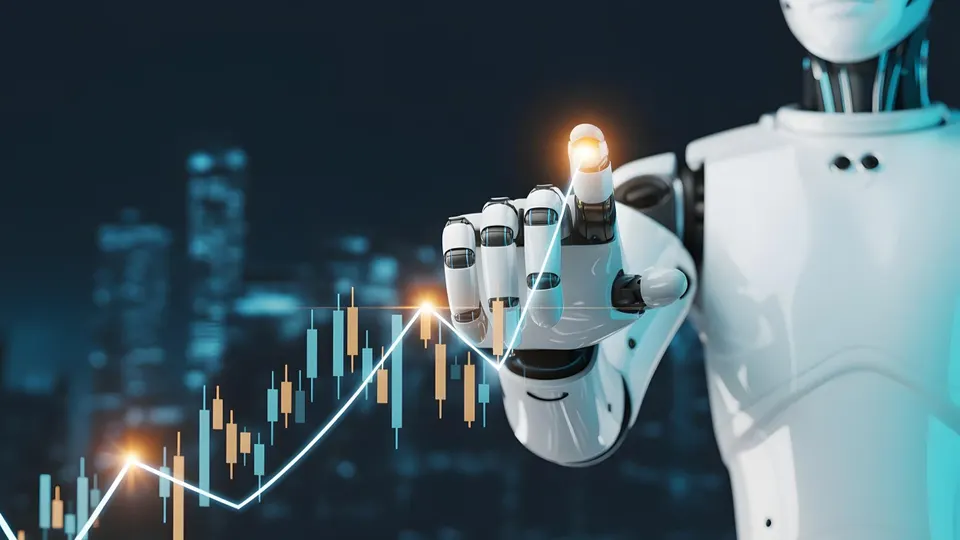
Robotics in 2026: How far have we come?
The world of robotics in 2026 is experiencing breakthroughs that were once considered science fiction. Thanks to AI integration, improved sensors, lightweight materials, and powerful computing capabilities, robots are no longer confined to research laboratories or large industrial sectors. From healthcare and smart homes to agriculture, logistics, and customer service, robot technology has transformed nearly every sector.
This article explores how far robotics has come in 2026, what new capabilities robots have today, which industries they are transforming, and what the future of robotics might look like beyond this milestone year.
The evolution of robotics in 2026
Smarter AI-powered robots
One of the most significant developments in robotics in 2026 is the deep integration of artificial intelligence. Robots are now equipped with machine learning models that enable them to learn from real-world environments, adapt, and improve their performance over time.
Key improvements in AI robotics:
- More accurate perception through advanced sensors
- Faster decision-making through edge computing
- Natural language communication for seamless human-robot interaction
- Autonomous navigation in complex environments
Thanks to these improvements, robots no longer require constant human supervision-they can analyze, execute, and optimize tasks independently.
Automation trends in 2026: Industries transformed by robotics
1. Manufacturing: Smart factories become the norm
The manufacturing sector has always been a major user of robots, but robotics technology in 2026 has ushered manufacturers into a new era of hyperautomation. Factories are using smart robotic arms, automated guided vehicles (AGVs), and collaborative robots (cobots) to handle everything from assembly to packaging.
Advantages:
- Round-the-clock production capability
- Lower labor costs
- Greater accuracy and efficiency
- Increased workplace safety
Cobots also play an important role by working alongside humans, enabling companies to automate processes without completely replacing their workforce.
2. Healthcare: Medical robotics reaches new heights
Medical robotics in 2026 has revolutionized patient care, diagnostics, and surgery. Surgeons now rely on robotic systems that offer unmatched precision for minimally invasive procedures.
Key improvements:
- Robot-assisted surgical assistants for complex procedures
- AI-assisted diagnostic robots
- Rehabilitation robots to help patients regain mobility
- Automation in pharmacies for greater medication accuracy
Robotics in healthcare has reduced human error, shortened hospital stays, and improved access to treatment.
3. Smart Homes & Personal Robotics
One of the most fascinating developments in robotics in 2026 is the rise of home robots. Unlike earlier versions, which were limited to vacuuming or simple tasks, home robots in 2026 will be able to:
- prepare simple meals
- monitor home security
- assist elderly or disabled people
- integrate into smart home ecosystems
- understand voice commands and emotional cues
Household robots have evolved into intelligent, reliable companions and are no longer just simple automation tools.
4. Agriculture: Robotic innovations in 2026 for sustainable agriculture
Agricultural robotics has evolved to address global challenges such as food shortages, labor shortages, and sustainability.
Robots in agriculture now perform the following tasks:
- Autonomous harvesting
- Soil monitoring
- Intelligent irrigation
- Drone-based pesticide spraying
- Analysis of crop health
These advances reduce waste, increase yields, and promote environmentally friendly farming methods.
Groundbreaking technologies for robotics in 2026
Advanced sensors and image processing systems
Image processing in robots has improved significantly thanks to 3D LiDAR, thermal imaging cameras, and AI-powered image recognition. Robots can now recognize objects, avoid obstacles, and move with greater precision.
Lightweight materials and improved mobility
Thanks to carbon fiber, soft robotics, and flexible actuators, robots are more agile, durable, and energy-efficient. Soft robots in particular have created new opportunities in sensitive environments such as underwater exploration and medical procedures.
Edge computing and real-time processing
Modern robots no longer rely exclusively on cloud servers. With edge computing, robots process data instantly, enabling:
- Faster response times
- Greater autonomy
- Increased safety
Innovations in batteries and power supply
Longer-lasting batteries, wireless charging stations, and energy-saving designs help robots operate for longer periods without interruption.
Humanoid robotics in 2026: closer to human capabilities
Humanoid robots have undergone tremendous improvements in terms of mobility, balance, strength, and emotional intelligence. Companies such as Tesla, Agility Robotics, and SoftBank Robotics have broken new ground with robots capable of performing the following tasks:
- Walking and running on uneven terrain
- Carrying heavy loads
- Performing customer service tasks
- Understanding facial expressions
- Having natural conversations
Humanoid robots are increasingly being used in retail, hospitality, security, and domestic help.
How robotics will impact the global workforce in 2026
An important discussion surrounding robotics in 2026 is its impact on employment. While automation continues to replace repetitive tasks, new roles are emerging, such as:
- Robot maintenance technicians
- AI supervisors
- Automation strategists
- Robotics programmers
Rather than completely eliminating jobs, robotics is transforming the world of work and creating new opportunities in technical fields.
The Future of Robotics After 2026
Although robotics will already be well advanced in 2026, the next decade promises even more groundbreaking innovations.
Predicted trends:
- Fully autonomous cities run by robots and AI
- Self-learning robots that do not require human programming
- Robots in space exploration, mining, and colonization
- Advanced emotional AI for human-like companionship
- Universal home robots that take over most household chores
The future of robotics points toward greater integration into everyday life, greater autonomy, and more personalized robot systems.
Conclusion: How far will we have come in 2026?
Robotics in 2026 represents a historic milestone. From smart factories and surgical robotics to personal assistants and automation in agriculture, robots are more powerful, adaptable, and intelligent than ever before. As technology continues to advance, robotics is becoming a driving force behind global innovation, shaping industries and redefining the way people live and work.
Omar Haddad
Short fiction about long journeys.


Comments (2)
Loved the way you explained this.
Interesting perspective - I had never thought about it that way.